Building a Home or Cabin in Ferry County

Wells and Water
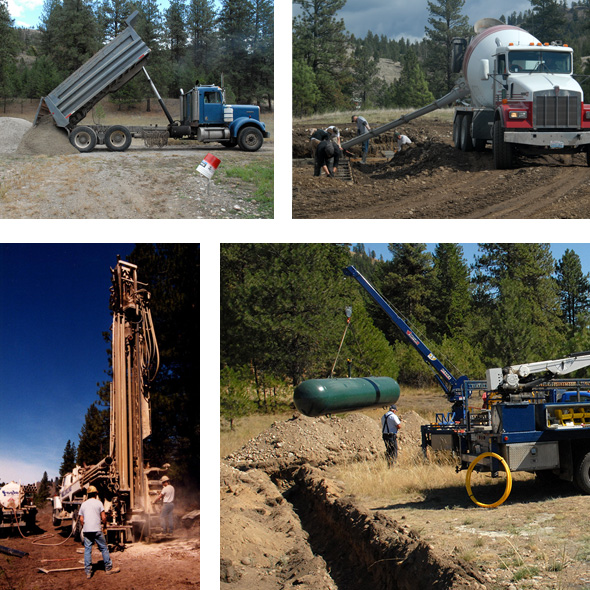
If the property you are considering doesn’t have an existing well or potable water access, then you’re looking at a potentially expensive unknown. Ask your realtor or check with neighboring property owners to learn the depth and flow (gallons per minute) of nearby wells to get a better understanding of your odds of finding water or how much water you can plan on. Check into local well drilling costs. Typical well drilling runs from $25 to $35 per foot or more, plus set up fees, and additional costs for pump and pump controls, a vault or pump house, and so on. Wells can run from 50 feet to 1000 feet in depth or more and there is no guarantee you’ll hit water, so plan accordingly.
Electricity
When land doesn’t have electricity installed, check to see how far it is to the nearest power source and what it will take to bring power to the property. You’ll pay by the foot to bring power to your land. If bringing electricity to your home requires crossing your land, you will need to consider whether to run overhead or underground lines. Don’t forget that, depending on where you place them, installing overhead lines can reduce the value of your property.
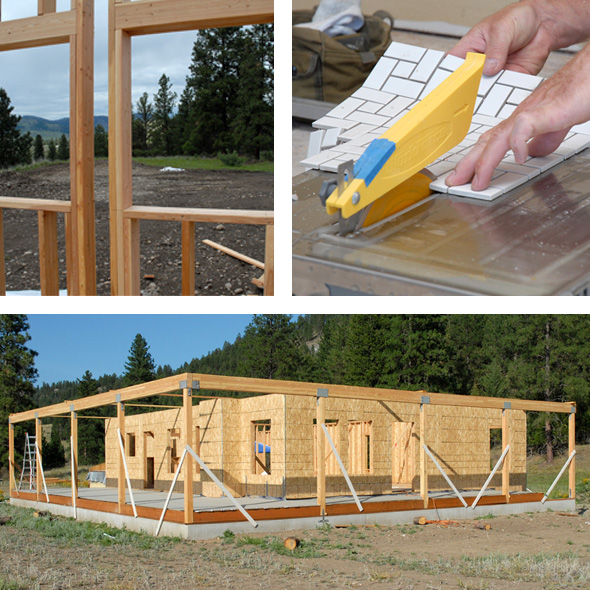
Phone Lines
Infrastructure for communication raises similar issues to electricity. If possible, bring phone/data and electricity in at the same time. Sharing the trenching costs for underground utilities makes good financial sense.
Site Placement
When choosing where to sit your home, visit the property at different times of day to see how sun and shade affect the site. A sunset view is romantic, but late afternoon sun can bake an interior. Recognizing this early allows you to mitigate the heat through design or window placement.
Don’t overlook local weather patterns. Consider whether the site is sheltered or exposed to steady winds. A friend of mine eventually sold his retirement home because the relentless wind made it impossible to enjoy his deck or work on outdoor projects.
Considerations When Building or Buying a Home
Communal Water
If the house or property you’re thinking about buying has water, but its source is communal, make sure you understand and agree to the terms and conditions of its use. Some community agreements have myriad rules and restrictions, so read contracts carefully and ask questions if something is not clear.
Access to Your Home or Land
Easements
Always check for easements and land use restrictions before you buy. Insist on seeing the plot plan or plat; if your realtor cannot provide it, the local planning department can help. Easements involve more than just driveways—they can include buried gas lines or utility poles. One beautiful view lot we scouted was crisscrossed by four utility easements, leaving no viable place to build. Also, check if easements restrict you from installing gates or fences, which is a major concern if you plan to keep livestock or pets.
The Neighborhood and Zoning
Consider how undeveloped land around you might be used in the future. To ensure the privacy and quiet you desire, research the local zoning. No one wants to invest in a dream cabin only to find out the neighbor is allowed to run a commercial kennel or a loud motocross course next door.
Sun, Shade, and Weather
When choosing where to sit your home, visit the property at different times of day to see how sun and shade affect the site. A sunset view is romantic, but late afternoon sun can bake an interior. Recognizing this early allows you to mitigate the heat through design or window placement.
Don’t overlook local weather patterns. Consider whether the site is sheltered or exposed to steady winds. A friend of mine eventually sold his retirement home because the relentless wind made it impossible to enjoy his deck or work on outdoor projects.
Walk the Land
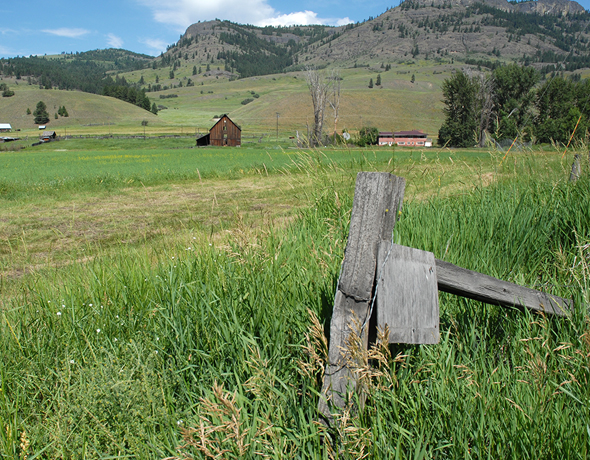
Before you build or buy, consider how your expectations for your future home are supported by the layout and location of the land. First, walk the property. The larger the property the more important this becomes. This allows you to get a better feel for the place, check for suitable building sites, and see what borders the property.
Check for problems like standing water or wet areas, old or unused septic systems, water erosion, or areas where hillsides have slid, and so on. Be aware of neighbors who may be using the property for storing, dumping, or road access to their own property without asking for an easement. Look for well-worn roads, trails or paths that don’t appear to be part of the property. All these can lead to bigger problems if not understood or planned for. Sometimes if the problem is severe, it can make the property worth avoiding.
Financing
Securing a loan for raw or recreational land is generally more difficult than standard home financing. It typically requires larger down payments and carries higher interest rates. Because fewer traditional lenders offer land loans, you will often see “Owner Will Carry” (seller financing) mentioned in rural listings.
Legal Advice
Securing a loan for raw or recreational land is generally more difficult than standard home financing. It typically requires larger down payments and carries higher interest rates. Because fewer traditional lenders offer land loans, you will often see “Owner Will Carry” (seller financing) mentioned in rural listings.
Building Permits
Every big city dweller I know, who’s tried to build or modify a home, has a tale of woe to tell about unhelpful, urban planning departments and arbitrary permitting processes. Speaking from experience, the folks at the Ferry County Planning Department are a pleasure to work with. They’re up to date on current building practices, willing to provide good advice, and easy to work with when scheduling inspections.
Where to start
Typically, the first step in finding the ideal vacation or retirement home is to form a good relationship with an area realtor who understands your goals and won’t waste your time asking you to drive or fly in to see land or homes that don’t fit your needs or budget. They will be able to recommend local contractors, electricians, well drilling companies, etc. But, do not depend on a realtor to point out every flaw in the property they’re showing you. Remember, a realtor works for the owner of the property, not for you (unless you contract with them to do so), so do your own due diligence!
Building a Home or Cabin
For more tips and traps about building or choosing a home in rural Ferry County, WA, visit the Ferry County Commissioners’ website and read, “Ferry County Code of the West: A few things to consider when moving into rural areas in Ferry County.” April 16, 2012.
Acknowledgements and Disclaimer
Article by Craig Lawrence, published on November 25, 2008. Neither FerryCounty.com or Craig Lawrence make any claims as to the accuracy of his observations. He is sharing personal information that he gathered while building his own home. Copyright 2008 Ferrycounty.com. All rights reserved.